
Dengue Fever: When a Mosquito Bite Becomes a Medical Emergency

Updated: 6 days ago
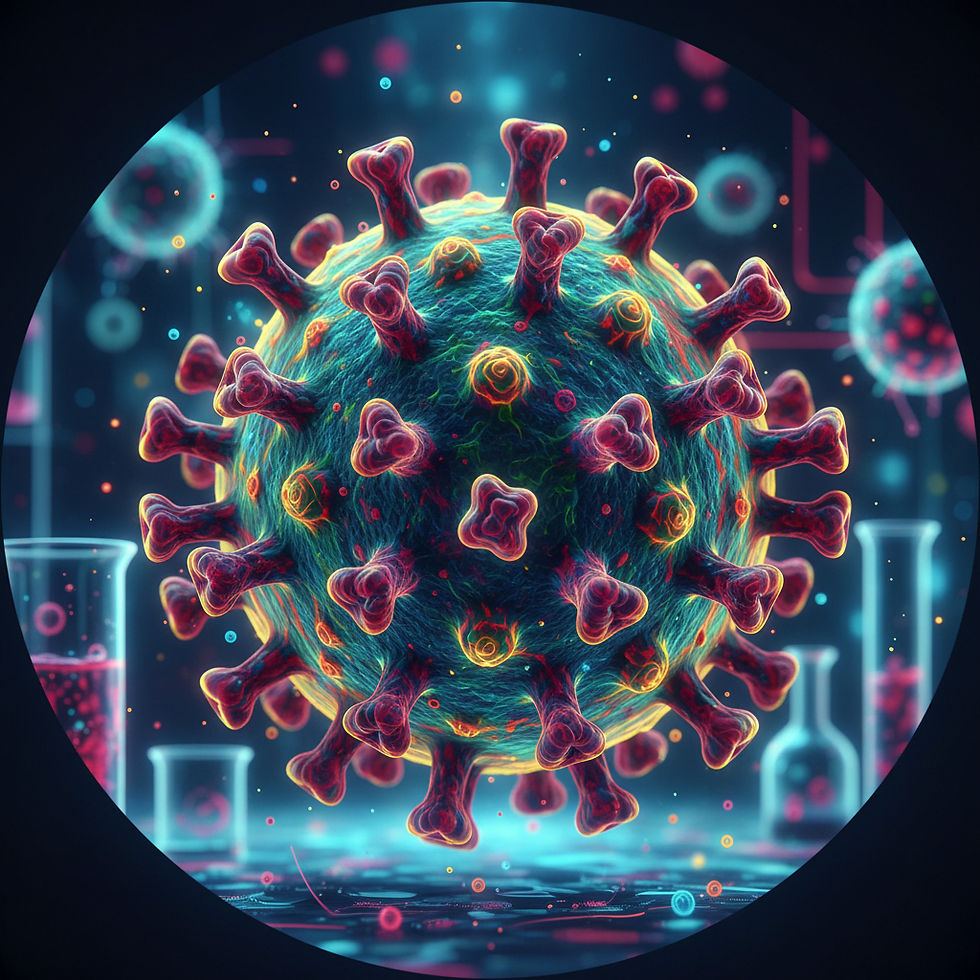
Source: Pescador Ruschel, M. A., Panda, P. K., & Farmer, A. (2026). Dengue fever. In StatPearls. StatPearls Publishing. https://www.ncbi.nlm.nih.gov/books/NBK430732/
I find mosquito-borne illnesses terrifying. Mosquitoes are persistent, incredibly small, and nearly impossible to avoid completely. Scientists estimate there may be approximately 1 quadrillion mosquitoes alive worldwide at any given time—about 125,000 mosquitoes for every person on Earth.
And while severe mosquito-borne illness may be relatively uncommon for many people, the diseases these tiny insects transmit can cause significant morbidity and mortality.
That is what makes dengue fever so concerning.
The Florida Department of Health recently confirmed the state's first dengue-related death of 2026 as locally acquired cases continue to rise. Health officials did not release identifying information about the patient, citing privacy protections. However, the Tampa Bay Times reported that the patient was an 80-year-old Tampa woman who died on September 4.
"The Department has completed its epidemiological investigation and acknowledges the first dengue fever-related death in Hillsborough County. To protect the privacy of the individual, additional details and information regarding the case are confidential," a Florida Department of Health spokesperson told ABC News.
The death comes during a year of increased dengue activity in Florida. For the week ending September 12, the state had confirmed 152 locally acquired cases, according to Florida Department of Health data. That is the highest number reported since 2023, when Florida recorded 189 locally acquired cases during the entire year.
Hillsborough County, which includes Tampa, has been at the center of the increase, reporting 134 cases. Additional locally acquired cases have been identified in Miami-Dade, Orange, Palm Beach, Pasco, and Pinellas counties.
Those numbers change the conversation.
A mosquito bite is usually nothing more than an annoyance. A small bump. Some itching. Maybe a few minutes spent wondering how the mosquito found the one area you forgot to cover with insect repellent.
But sometimes a mosquito bite carries something much more serious.
Dengue fever is a mosquito-borne viral illness that has become one of the most significant infectious disease threats worldwide. It is transmitted primarily through the bite of infected Aedes aegypti and Aedes albopictus mosquitoes. These mosquitoes can carry dengue virus from person to person, allowing outbreaks to spread rapidly through communities.
What makes dengue particularly concerning is its range of severity. Some people never know they were infected. Others develop several miserable days of fever, severe muscle and joint pain, headache, nausea, and exhaustion.
And then there is severe dengue.
For a smaller number of patients, the disease can progress rapidly from what appears to be a routine viral illness into plasma leakage, shock, significant bleeding, or organ failure.
What Is Dengue Fever?
Dengue fever is caused by dengue virus, or DENV, a member of the Flavivirus family. Four major dengue virus serotypes exist: DENV-1, DENV-2, DENV-3, and DENV-4.
After recovering from one dengue serotype, a person generally develops long-term immunity against that particular serotype. That does not provide the same long-term protection against the other three.
In fact, a later infection with a different dengue serotype can sometimes increase the risk of developing severe disease. One proposed mechanism behind this is antibody-dependent enhancement, commonly called ADE. Instead of completely neutralizing the second virus, antibodies from an earlier infection may contribute to an immune response that allows greater viral entry into certain cells and contributes to disease severity.
It is one of the more unusual characteristics of dengue and one reason previous infection does not necessarily mean someone is finished worrying about the disease.
How Dengue Spreads
Dengue is primarily spread through infected female Aedes mosquitoes.
A mosquito bites a person who has dengue virus circulating in the blood. The mosquito can become infected and later transmit the virus when it bites someone else.
Aedes mosquitoes have adapted extremely well to living around humans. They can reproduce in relatively small collections of standing water found around homes and communities.
That means mosquito breeding sites do not necessarily require a swamp or large body of water.
Buckets, flowerpots, discarded containers, tires, water-storage containers, and similar objects can provide breeding sites when water collects.
Dengue has been associated with tropical and subtropical regions, but its geographic reach has continued to expand. Urbanization, population movement, international travel, changing environmental conditions, and the distribution of mosquito vectors all contribute to the problem.
More than 100 countries now experience endemic dengue transmission, and billions of people live in areas where transmission is possible.
There are also uncommon ways dengue can be transmitted, including perinatal transmission, blood transfusion, organ transplantation, and rare healthcare-associated exposures. Mosquito transmission, however, remains the overwhelming route of infection.
What Does Dengue Feel Like?
Symptoms generally begin several days after infection.
The incubation period is about 4 to 10 days after a bite from an infected mosquito. When symptoms appear, they can begin abruptly.
Common symptoms include:
High fever
Severe headache
Pain behind the eyes
Muscle pain
Joint pain
Fatigue
Loss of appetite
Nausea or vomiting
Abdominal discomfort
Rash
Dengue has historically been called “breakbone fever” because some patients experience intense muscle and joint pain.
Minor bleeding may also occur. Patients may develop petechiae, easy bruising, bleeding from the gums, or nosebleeds. Laboratory testing may show leukopenia, or a low white blood cell count, and thrombocytopenia, or a low platelet count.
For many people, the infection remains self-limited and gradually improves with supportive care.
But there is a dangerous misconception about dengue:
A disappearing fever does not always mean the danger has passed.
The Moment Dengue Can Become Dangerous
One of the most important things clinicians and patients need to understand is that dengue can worsen as the fever begins to resolve.
This period is sometimes called the critical phase.
It commonly occurs around days four through six of illness. A patient may believe they are getting better because the fever has fallen. At the same time, however, changes in the body's small blood vessels can increase vascular permeability.
Fluid can begin leaking from the blood vessels into surrounding tissues.
This can reduce effective circulating blood volume and, in severe cases, lead to shock.
Warning signs of worsening dengue include persistent vomiting, significant or worsening abdominal pain, lethargy or unusual restlessness, mucosal bleeding, fluid accumulation, and changes in laboratory values such as an increasing hematocrit accompanied by a rapidly falling platelet count.
Severe dengue is generally characterized by one or more of three major problems:
Severe plasma leakage, which may cause shock or respiratory distress.
Severe bleeding.
Severe organ involvement, including significant injury to organs such as the liver, heart, brain, or kidneys.
A patient who looked relatively stable several hours earlier can deteriorate quickly.
Diagnosing Dengue
Dengue cannot always be identified by symptoms alone.
Fever, headache, muscle pain, gastrointestinal symptoms, fatigue, and rash occur in many infections. Depending on the patient's location and travel history, clinicians may also need to consider illnesses such as malaria, chikungunya, Zika, influenza, leptospirosis, typhoid fever, and other infectious diseases.
Diagnosis therefore combines the clinical picture with travel or exposure history, laboratory findings, and dengue-specific testing.
During the early portion of the illness, testing may include reverse-transcription polymerase chain reaction, or RT-PCR, which detects viral genetic material, or testing for the dengue NS1 antigen.
Antibody testing becomes more useful as the immune response develops. Dengue IgM antibodies may become detectable several days after symptoms begin.
Timing matters because the usefulness of individual tests changes depending on where the patient is in the illness course.
Clinicians may also follow complete blood counts, platelet levels, hematocrit, liver enzymes, and other laboratory values.
A single laboratory result is important.
A trend can be even more important.
For example, a rising hematocrit occurring with a rapid decline in platelets can signal increasing plasma leakage and possible progression toward severe dengue.
How Is Dengue Treated?
No standard antiviral medication currently eliminates dengue virus once someone becomes infected.
Treatment is primarily supportive.
That sounds simple until you consider what supportive care means in a disease where fluid can suddenly begin leaving the intravascular space.
Patients with uncomplicated dengue may be managed at home if they can drink adequately, continue urinating normally, have no warning signs, and have reliable access to follow-up care.
Hydration is important.
Acetaminophen can generally manage fever and discomfort. Aspirin and nonsteroidal anti-inflammatory drugs, including medications such as ibuprofen and naproxen, are typically avoided because dengue can already increase the risk of bleeding.
Patients with warning signs or severe disease may require hospitalization.
A central challenge is fluid management.
Too little fluid during significant plasma leakage can contribute to shock.
Too much fluid can also cause serious harm.
As blood vessels recover and leaked fluid returns to circulation, continuing aggressive intravenous fluid administration can contribute to fluid overload and pulmonary edema.
So this is not simply a matter of “giving fluids.”
It is a matter of giving the right amount of fluid, at the right time in the illness, while repeatedly reassessing the patient.
In severe disease, treatment may also include blood transfusion for clinically important bleeding, management of metabolic abnormalities, respiratory support, vasopressors, kidney support, or other intensive-care interventions depending on the complications involved.
Low Platelets Do Not Automatically Mean Platelet Transfusion
Thrombocytopenia often gets considerable attention in dengue because platelet levels can become remarkably low.
But a low platelet count by itself does not automatically mean a patient should receive platelets.
Routine prophylactic platelet transfusion is generally not recommended simply because the laboratory value is low. Blood products are typically reserved for situations involving clinically significant bleeding or other specific indications.
Treating numbers without treating the patient can create its own problems.
In dengue, that distinction matters because unnecessary blood products and excess fluid administration can increase the risk of complications.
Preventing Dengue Starts Before the Bite
Treatment matters.
Prevention matters more.
Controlling the mosquitoes responsible for transmission remains a primary strategy for reducing dengue.
That begins with something remarkably basic:
Remove their breeding grounds.
Eliminate standing water around homes and communities whenever possible. Properly cover containers used for water storage. Inspect areas where water collects regularly.
Personal protection matters as well. Depending on exposure risk, prevention can include insect repellent, protective clothing, window and door screens, mosquito control efforts, and reducing mosquito exposure during periods of increased activity.
Dengue prevention is not simply an individual responsibility. Large outbreaks require coordinated public health surveillance, vector control, community participation, patient education, and healthcare preparedness.
Once transmission accelerates through a community, hospitals and healthcare systems can quickly feel the impact.
The Bigger Lesson from Dengue
Dengue demonstrates something we repeatedly see in infectious disease:
The dangerous moment is not always the most obvious one.
A high fever gets attention.
Severe pain gets attention.
A patient saying, “My fever finally broke,” sounds reassuring.
But in dengue, that may be the exact moment when careful assessment matters most.
Most people infected with dengue do not develop severe disease. Many infections are asymptomatic, and most symptomatic patients recover with appropriate supportive care.
The challenge is identifying patients who are beginning to move in the wrong direction.
Persistent vomiting.
Worsening abdominal pain.
Bleeding.
Increasing lethargy or restlessness.
Evidence of fluid accumulation.
Changes in perfusion.
A rising hematocrit with falling platelets.
Those are not simply findings to document. They are signals. And healthcare often comes down to recognizing the signal before it becomes a crisis. Dengue may begin with a mosquito bite.
What happens next depends on the virus, the patient's immune response, timely recognition, careful monitoring, and access to appropriate supportive care.
That is why understanding dengue is no longer important only for clinicians working in traditionally endemic regions.
The cases being reported in Florida make that point difficult to dismiss.
As mosquitoes, people, and diseases cross geographic boundaries, dengue increasingly becomes a healthcare concern much closer to home.
And sometimes the most important intervention is not a complicated medication or advanced procedure.
It is knowing exactly when a patient who seems to be getting better may actually be getting worse.
Author: R.E. Hengsterman, MSN, MA, M.E., RN
Registered nurse, night-shift administrator, and author of The Shift Worker’s Paradox
For educational purposes only. Not medical advice.
Editorial Standards
This article follows NurseWhoWrites editorial guidelines emphasizing evidence-based practice, transparent sourcing, and real-world clinical experience.


Comments